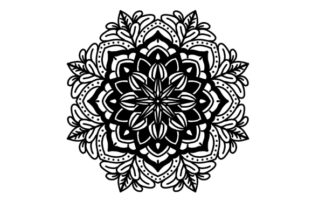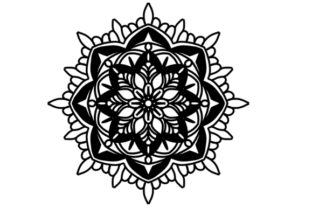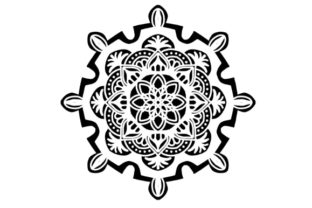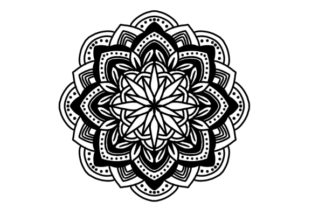
Hand Draw Pattern Vector Illustration: A Creative Revolution in Design
In the ever-evolving world of digital design, one trend has emerged that bridges the gap between traditional artistry and modern technology—Hand Draw Pattern Vector Illustration. This unique blend of hand-drawn creativity and vector precision is not just a visual style; it's a movement that reflects changing consumer preferences, technological advancements, and the growing demand for authenticity in creative work.
The Essence of Hand Draw Pattern Vector Illustration
Hand Draw Pattern Vector Illustration refers to the process of creating intricate patterns and illustrations using hand-drawn sketches that are then converted into vector graphics. Unlike purely digital or fully automated designs, this approach preserves the organic, human touch that makes artwork feel personal and meaningful.
This method often involves artists sketching by hand on paper or digital tablets, capturing the nuances of texture, line weight, and spontaneity. These elements are then digitized and refined using vector illustration tools such as Adobe Illustrator or Procreate. The result is a design that maintains the warmth of hand-drawn art while benefiting from the scalability and flexibility of vector graphics.
Why Is It Gaining Attention?
There are several reasons why Hand Draw Pattern Vector Illustration is capturing the attention of professionals, creators, and consumers alike:
- Aesthetic appeal: The irregularities and imperfections found in hand-drawn work create a sense of authenticity that resonates with audiences looking for genuine, human-made visuals.
- Market demand: As consumers become more discerning, they are increasingly drawn to designs that reflect individuality and craftsmanship over mass-produced aesthetics.
- Brand storytelling: Brands are leveraging Hand Draw Pattern Vector Illustration to tell more compelling stories through their visual identity, connecting emotionally with their audience.
- Adaptability: Vector-based illustrations can be scaled without loss of quality, making them ideal for use across multiple platforms—from print to web to mobile applications.
Trends Driving Its Popularity
The rise of Hand Draw Pattern Vector Illustration is closely tied to broader industry trends:
- Minimalism and simplicity: In a world saturated with digital noise, clean, hand-drawn patterns offer a refreshing alternative that aligns with minimalist design principles.
- Sustainability and ethical design: Consumers are increasingly valuing sustainability, and Hand Draw Pattern Vector Illustration supports eco-conscious practices by reducing reliance on high-energy digital processes.
- Digital transformation: While technology continues to advance, there’s a growing appreciation for the human element in design. Hand Draw Pattern Vector Illustration represents a harmonious balance between analog creativity and digital efficiency.
Practical Applications and Use Cases
Hand Draw Pattern Vector Illustration is versatile and applicable across a wide range of industries and creative fields:
1. Branding and Identity
Many brands are incorporating Hand Draw Pattern Vector Illustration into their logos, packaging, and marketing materials. For example, fashion labels and lifestyle brands use these illustrations to convey a sense of heritage and craftsmanship. The tactile nature of the artwork helps differentiate them in a competitive market.
2. Web and App Design
With the increasing importance of user experience (UX) in digital products, designers are turning to Hand Draw Pattern Vector Illustration to create visually engaging interfaces. These illustrations add personality and depth to websites and apps, enhancing the overall user interaction.
3. Print and Merchandise
From stationery to home decor, Hand Draw Pattern Vector Illustration is being used to create unique, collectible items. The ability to scale and reproduce these designs digitally allows for cost-effective production while maintaining the original artistic integrity.
4. Education and Workshops
As interest in hand-drawing grows, many educators and creatives are offering workshops and courses focused on Hand Draw Pattern Vector Illustration. This trend highlights a shift toward hands-on learning and skill development in the creative space.
Changing Needs and Expectations
Consumers today are not just looking for beautiful designs—they want meaning behind them. They seek out products and services that reflect their values, whether that's sustainability, authenticity, or cultural relevance. Hand Draw Pattern Vector Illustration meets these expectations by offering a visual language that feels personal and intentional.
Additionally, the rise of remote work and digital collaboration has increased the need for adaptable, scalable design solutions. Hand Draw Pattern Vector Illustration provides a bridge between the physical and digital worlds, allowing creatives to maintain their signature style while working in a global, virtual environment.
The Future of Hand Draw Pattern Vector Illustration
As we look ahead, the future of Hand Draw Pattern Vector Illustration appears promising. With the continued growth of AI-assisted design tools, there is potential for even greater integration between hand-drawn creativity and digital workflows. However, the core value of this approach lies in its human-centric nature—a quality that AI cannot replicate.
Moreover, as environmental concerns grow, the sustainable aspects of Hand Draw Pattern Vector Illustration will likely become more prominent. The reduced carbon footprint associated with this method positions it as a forward-thinking choice for both creators and businesses.
Conclusion
Hand Draw Pattern Vector Illustration is more than just a design technique—it's a reflection of evolving creative and consumer values. By combining the warmth of hand-drawn art with the versatility of vector graphics, this approach offers a unique solution that resonates across industries and audiences.
For professionals, creators, and entrepreneurs, embracing Hand Draw Pattern Vector Illustration means staying ahead of the curve and meeting the demands of a more conscious, connected, and visually discerning world.