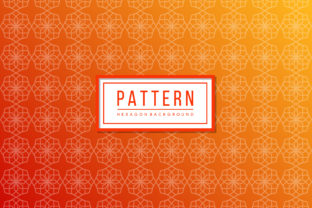
Hexagon Islamic Pattern Gradient Orange: A Modern Take on Sacred Geometry
The month of Ramadan Kareem is a time of spiritual reflection, community, and artistic inspiration for millions around the world. As Muslims fast, pray, and give to others, many find solace in the beauty of Islamic art, which has long been a source of comfort and contemplation. One such design that has captured attention recently is the Hexagon Islamic Pattern Gradient Orange. This intricate blend of sacred geometry and modern aesthetics offers a unique way to honor tradition while embracing contemporary design principles.
Understanding Islamic Geometric Art
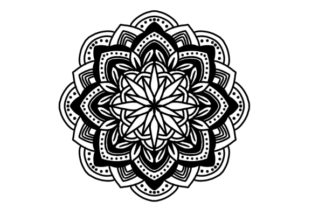
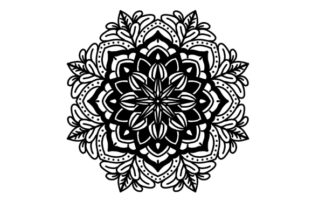
Islamic geometric art is one of the most recognizable forms of Islamic visual culture. It is characterized by its use of repeating patterns, symmetry, and mathematical precision. These designs often feature interlocking shapes such as stars, polygons, and circles, creating an effect of infinite repetition and harmony.
Historically, these patterns were used in architecture, calligraphy, and textiles, serving both decorative and symbolic purposes. They reflect the Islamic belief in the unity and order of creation, as well as the importance of balance and proportion in design.
The Significance of the Hexagon Shape
The hexagon is a fundamental shape in Islamic geometric art. Its six sides and angles allow for complex and symmetrical compositions that can be endlessly repeated without gaps or overlaps. This makes it ideal for creating intricate patterns that are both visually striking and mathematically precise.
In the context of Ramadan Kareem, the hexagon pattern symbolizes the cyclical nature of life and the continuous flow of divine energy. It also represents the interconnectedness of all things, a core concept in Islamic philosophy.
The Gradient Orange Color Scheme
Color plays a vital role in Islamic art, often used to evoke emotion, convey meaning, and enhance the visual impact of a design. The choice of gradient orange in this pattern is particularly meaningful.
Orange is a warm, vibrant color that symbolizes energy, creativity, and spiritual awakening. In the context of Ramadan, it can represent the warmth of faith, the glow of hope, and the light of knowledge. The gradient effect adds depth and movement to the design, creating a sense of fluidity and dynamism.
When combined with the hexagon pattern, the gradient orange color scheme produces a visually engaging and emotionally resonant design that can be used in a variety of contexts, from digital media to physical spaces.
How the Design Fits into Modern Life
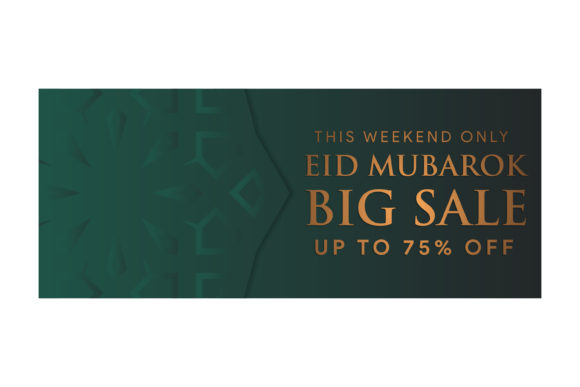
Islamic geometric patterns have found new life in the digital age, where they are used in graphic design, web development, and branding. The Hexagon Islamic Pattern Gradient Orange is no exception. Its clean lines and vibrant colors make it suitable for a wide range of applications, including:
- Graphic Design: Ideal for creating logos, posters, and social media graphics that reflect cultural heritage and modern aesthetics.
- Web Development: Can be used as a background or accent element to enhance user experience and create a visually appealing interface.
- Interior Design: Offers a unique and elegant option for wall art, textiles, and decorative elements in homes and public spaces.
- Education: Serves as a valuable teaching tool for exploring mathematics, art, and cultural studies in classrooms.
- Business Branding: Provides a distinctive and culturally rich identity for businesses looking to connect with diverse audiences.
Moreover, the use of such designs during Ramadan Kareem can help foster a sense of community and shared identity among people of all backgrounds. It allows individuals to express their faith and values through visual art, making the holy month more accessible and engaging.
Common Misconceptions About Islamic Art
One common misconception about Islamic art is that it is limited to calligraphy and floral motifs. In reality, Islamic art encompasses a vast array of styles and techniques, including geometric patterns, arabesques, and architectural elements. The Hexagon Islamic Pattern Gradient Orange is a prime example of how geometric art can be both beautiful and meaningful.
Another misunderstanding is that Islamic art is static and unchanging. However, like any form of art, it evolves over time. Contemporary artists and designers are reinterpreting traditional patterns in innovative ways, ensuring that they remain relevant and inspiring for future generations.
Cultural and Spiritual Relevance
The Hexagon Islamic Pattern Gradient Orange is not just a design—it is a symbol of faith, creativity, and cultural identity. During Ramadan Kareem, it serves as a reminder of the beauty and complexity of Islamic traditions, while also offering a fresh perspective on how these traditions can be expressed in the modern world.
For many, this design is more than just a visual element; it is a way to connect with the past, celebrate the present, and envision the future. Whether used in personal projects, professional work, or community initiatives, it has the power to inspire and uplift.
Conclusion: Embracing Tradition in a Modern World
The Hexagon Islamic Pattern Gradient Orange is a testament to the enduring power of Islamic geometric art. It bridges the gap between ancient tradition and contemporary design, offering a unique and meaningful way to honor the sacred and embrace the modern.
As we enter the holy month of Ramadan Kareem, let us take inspiration from the beauty of Islamic art and consider how it can enrich our lives and surroundings. Whether through decoration, education, or creative expression, there are countless ways to incorporate this stunning design into our daily experiences.
By understanding and appreciating the significance of Islamic geometric patterns, we not only celebrate a rich cultural heritage but also open ourselves to new possibilities in art, design, and spirituality.